TruthFinder gives you instant access to criminal records, court filings, arrest records, address history, and more — pulling from millions of public databases in real time.
Search Public Records on TruthFinderTruthFinder.com — Affiliate link, commission earned if you subscribe.
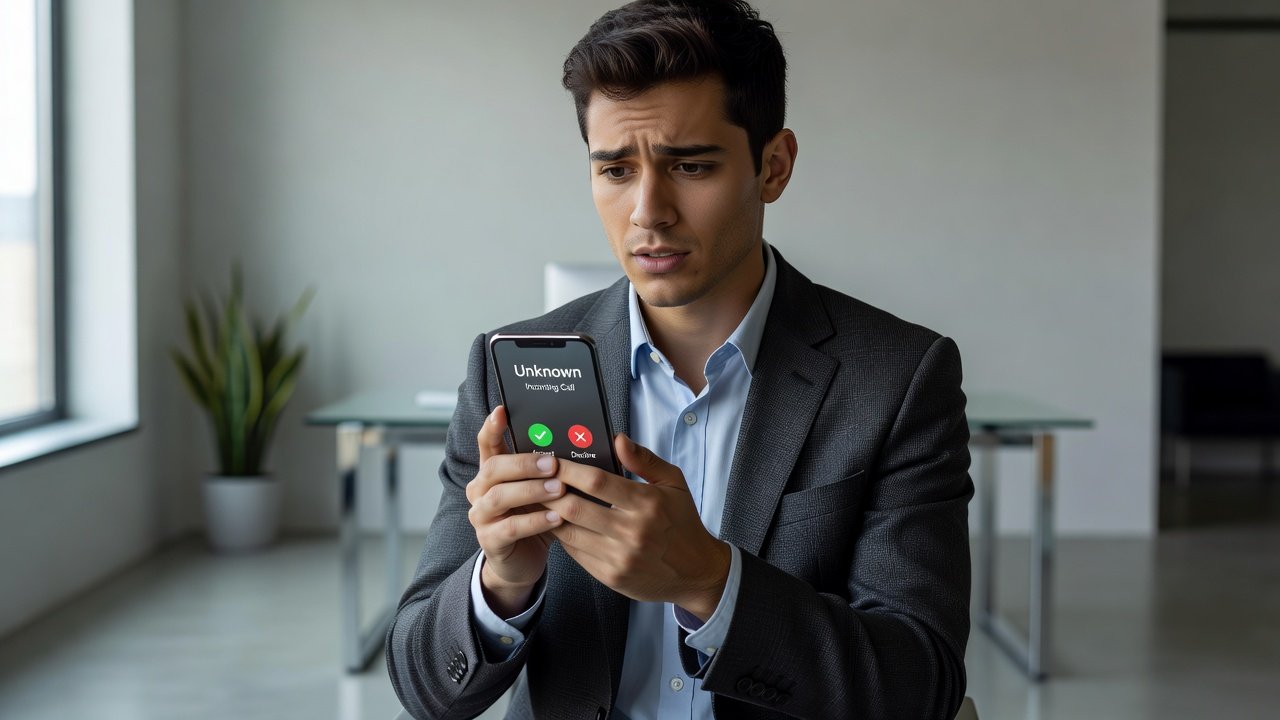
How to Find Out Who Owns a Phone Number (2026 Guide)
You glance down at your phone and see a missed call from a number you don't recognize. Or maybe you've been getting repeated texts from an unknown contact, and something about the situation feels off. Perhaps you found an unfamiliar number in a family member's call history, or you're trying to reconnect with someone but only have their old phone number. Whatever the reason, figuring out who owns a phone number is one of the most common online searches people make in 2026 — and for good reason.
Spam calls hit a record high last year, phone scams are more sophisticated than ever, and the need to verify who's really on the other end of the line has never been more urgent. Whether you're protecting yourself from fraud, checking up on a safety concern, or simply satisfying your curiosity, this guide walks you through every method available — from completely free options to the fastest, most comprehensive paid tools on the market.
TruthFinder searches millions of records across all 50 states in seconds.
Why People Look Up Phone Numbers in 2026
The reasons someone might want to identify a phone number's owner are incredibly varied, but they almost always come back to one core need: peace of mind. Here are some of the most common situations people face:
- Unknown missed calls: You received a call but no voicemail was left, and the number doesn't look like any business or person you know.
- Suspicious texts: You're getting unsolicited messages that might be scams, phishing attempts, or harassment.
- Reconnecting with someone: You have an old number saved but no name attached, and you want to know if it still belongs to who you think.
- Concern for a loved one: A parent checking a number in their teenager's phone, or a spouse who noticed an unfamiliar contact.
- Business verification: You want to confirm that a number claiming to be from a company or government agency is legitimate.
- Potential online dating safety: You want to verify that a person you met online is who they say they are before meeting in person.
No matter which category you fall into, the good news is that you have real, actionable options available to you right now.
Free Methods to Identify a Phone Number Owner
Before spending any money, it's worth trying the free tools available to you. While they won't always give you a definitive answer — especially for cell phones or numbers registered under privacy protection — they can often provide useful clues.
1. Google the Phone Number
This sounds obvious, but it's genuinely effective. Type the full phone number into Google, including the area code, inside quotation marks like this: "555-867-5309". Google indexes an enormous amount of public-facing content, including business listings, forum posts, Yelp reviews, complaint boards, and social media profiles. If the number is associated with a scam, there's a good chance other victims have reported it online. If it belongs to a business, the company's website will likely surface. Give it 60 seconds before moving on to other methods.
2. Search Social Media Platforms
Many people link their phone numbers to their social accounts for two-factor authentication or profile verification, and some platforms allow search by phone number. Try entering the number into the Facebook search bar, or use it to attempt a login on Instagram or Snapchat — these platforms sometimes suggest an associated profile during the account recovery process. It's not a guaranteed method, but it works more often than most people realize, especially for personal numbers.
3. Use a Free Reverse Phone Lookup Site
Several websites offer basic reverse phone lookup functionality for free. Tools like WhoCalledMe, CallerSmart, and 800notes.com aggregate user-reported data about phone numbers. These are especially useful for identifying robocall numbers, telemarketing lines, and known scam operations. You won't always get a person's name, but you may discover that 47 other people have reported the same number as spam — which is useful information on its own.
4. Check Google Maps and Business Directories
If you suspect the number belongs to a business, search for it on Google Maps. Local businesses are often listed with their phone numbers in publicly accessible directories. You can also try Yelp, YellowPages.com, or Whitepages.com (free tier) to see if the number surfaces with a business or residential listing.
5. Try a Bing or DuckDuckGo Search
Different search engines index different parts of the web. If Google didn't surface anything useful, run the same number search through Bing or DuckDuckGo. Some regional directories and smaller websites aren't indexed by Google but do appear in other search engines. It takes less than a minute and occasionally produces results that Google misses.
6. Search LinkedIn
If you believe the call may be work-related or from someone in a professional context, LinkedIn can be a surprisingly useful tool. Some users include their contact numbers on their profiles, and LinkedIn's search functionality allows you to look up people by various criteria. This won't work for most personal numbers, but it's worth a quick check.
7. Use Truecaller (Free App)
Truecaller is a widely used mobile app that maintains a crowdsourced database of phone numbers. Users voluntarily share their contact books (with permission), creating a massive database of names linked to numbers. It's especially robust for identifying spam and telemarketing numbers. The free version provides basic caller identification, and it works across both Android and iOS. Keep in mind that its database is stronger in some regions than others, and it's not infallible for unlisted or privacy-protected numbers.
Paid Methods: Faster and More Comprehensive Results
Free tools are a great starting point, but they have real limitations. Cell phone numbers, VOIP numbers, and recently issued numbers are often invisible to free databases. If the free methods didn't give you what you needed, it's time to consider a dedicated people search service.
Paid reverse phone lookup services aggregate data from hundreds of public and private sources — including address records, property records, court filings, social media profiles, and more — to give you a complete picture of who owns a number. The most reputable of these services is TruthFinder.
How to Use TruthFinder for a Reverse Phone Lookup
TruthFinder is one of the most widely used public records search platforms in the United States. Its reverse phone lookup feature is straightforward, and results are typically delivered within seconds. Here's exactly how to use it:
- Visit TruthFinder's reverse phone lookup page. Navigate to the search tool using the link in this article. You'll see a simple search field asking for the phone number you want to look up.
- Enter the full phone number. Include the area code. TruthFinder accepts numbers in any standard format — dashes, spaces, or no separators at all.
- Start the search. TruthFinder will begin scanning its database, which pulls from public records, data brokers, social media, court records, and address history files across all 50 states.
- Review the preliminary results. Within seconds, TruthFinder will indicate whether it found a match. You'll see some basic information about the type of record available before committing to a full report.
- Unlock the full report. A subscription unlocks the complete details, which may include the owner's full name, current and previous addresses, age, relatives, email addresses, social profiles, criminal history, and more — depending on what's in the public record.
- Review your results responsibly. Use what you find for lawful, personal purposes. TruthFinder is not an FCRA-compliant consumer reporting agency and should not be used for employment screening, tenant background checks, or similar decisions.
TruthFinder's strength is its depth. While a free tool might tell you a number is "possibly spam," TruthFinder can often tell you the name, age, location, and background of the actual person associated with that number. It's the fastest route to a comprehensive answer.
Complete background reports: criminal history, addresses, court records and more.
Comparison Table: Free vs. Paid Methods
| Method | Cost | Works for Cell Numbers | Full Name Result | Additional Details | Speed |
|---|---|---|---|---|---|
| Google Search | Free | Sometimes | Rarely | Forum mentions, scam reports | Instant |
| Social Media Search | Free | Sometimes | Sometimes | Profile info only | Fast |
| WhoCalledMe / 800notes | Free | Yes (spam focus) | Rarely | User reports, spam flags | Instant |
| Truecaller App | Free (basic) | Yes | Sometimes | Caller ID, spam scores | Fast |
| Whitepages (free tier) | Free | Limited | Sometimes | Basic name/location | Fast |
| TruthFinder | Paid subscription | Yes
Search Public Records
Ready to Search Public Records?Millions of records available. Results in seconds. Search anyone in any state.
Start Your Search Now
Sponsored Search — TruthFinder.com | Affiliate disclosure: We earn a commission when you subscribe. |