TruthFinder gives you instant access to criminal records, court filings, arrest records, address history, and more — pulling from millions of public databases in real time.
Search Public Records on TruthFinderTruthFinder.com — Affiliate link, commission earned if you subscribe.
Reverse Phone Lookup Free: The Complete 2026 Guide
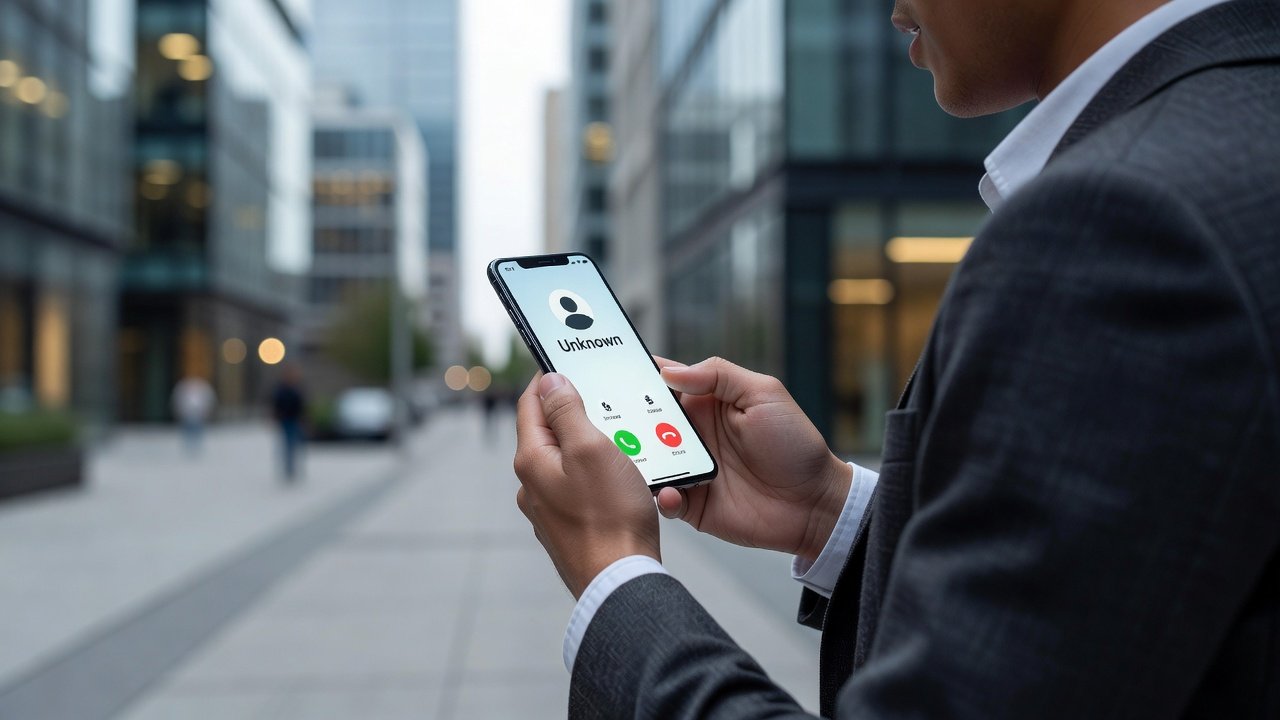
Your phone buzzes. An unknown number. You ignore it. It calls again. Then again. Sound familiar? In 2026, spam calls, scam attempts, and mystery numbers are more prevalent than ever — the FTC reported over 230 million robocall complaints in 2025 alone. Whether you're trying to identify a persistent unknown caller, verify whether someone you met online is who they claim to be, or simply figure out if that missed call was important, a reverse phone lookup can give you real answers in minutes.
This guide is for anyone who wants to find out who's behind a phone number — without necessarily spending money to do it. We'll walk you through every legitimate free method available in 2026, explain their limitations honestly, and show you when it makes sense to step up to a paid tool like TruthFinder for a more complete picture.
TruthFinder searches millions of records across all 50 states in seconds.
What Is a Reverse Phone Lookup?
A reverse phone lookup is exactly what it sounds like: instead of searching for someone's phone number by entering their name, you enter a phone number and search for the person or business behind it. The results can include the owner's name, current and past addresses, email addresses, associated social media profiles, and in some cases, background information like criminal records or public court filings.
Traditional phone directories only worked in one direction — name in, number out. Reverse lookups flipped that model, and today's tools pull from a massive aggregation of public records, data broker databases, social media platforms, and user-submitted information to give you a much richer picture than a simple name match.
It's important to understand upfront that no reverse phone lookup — free or paid — is guaranteed to return results for every number. Cell phones, prepaid numbers, and VoIP lines are often harder to trace than traditional landlines. But in 2026, the coverage of legitimate tools has improved dramatically, and you have more options than ever before.
Who Needs a Reverse Phone Lookup in 2026?
The short answer: more people than you'd think. Here are some of the most common real-world scenarios:
- Identifying spam and scam callers — If you've been receiving repeated calls from an unfamiliar number, a reverse lookup can confirm whether it's a known scam operation, telemarketer, or debt collector.
- Reconnecting with someone — Found an old number in your contacts but can't remember who it belongs to? A reverse lookup can jog your memory or confirm the current owner.
- Online dating safety — Before meeting someone in person, verifying their identity using their phone number adds an important layer of safety screening.
- Verifying a business number — Did you receive a call claiming to be from your bank or a government agency? A reverse lookup helps confirm whether the number is legitimate.
- Landlords and property managers — Screening applicants who've provided contact information before scheduling a showing.
- Parents and guardians — Checking who your child has been in contact with from an unrecognized number.
- Journalists and investigators — Tracing sources or verifying the identity of contacts during research.
Step-by-Step: Free Reverse Phone Lookup Methods
Before paying for anything, it's worth trying the free options. They don't always work — especially for cell phones or newer numbers — but they're a solid first step and cost you nothing but a few minutes.
Step 1: Search the Number Directly on Google
This sounds obvious, but it's often underutilized. Open Google (or Bing, DuckDuckGo, or another search engine) and type the full phone number in quotes, like this: "555-867-5309". Try it with and without dashes and with the area code. You may find:
- A business listing with the number on their website
- Forum posts or scam-reporting sites where others have flagged the number
- Social media profiles that publicly list the number
- Online directories that have indexed the number
This works particularly well for business numbers and for numbers that have been reported by other users on consumer protection forums.
Step 2: Check Free Caller ID and Community Reporting Sites
Several websites aggregate user reports about phone numbers and flag known spam, scam, or robocall numbers. The most useful free options in 2026 include:
- 800notes.com — A long-running community site where users report unsolicited calls. Search any number to see if others have flagged it.
- CallerSmart — Combines user reviews with automatic spam scoring for phone numbers.
- WhoCalledUs.com — Another community database of reported numbers.
- Nomorobo — Primarily a robocall blocking service, but their public lookup tool can identify known automated callers.
These sites won't give you a person's name and address, but they're excellent at confirming whether a number is associated with a known scam or spam campaign.
Step 3: Try Social Media Search
Facebook, LinkedIn, and even Instagram allow users to search by phone number in some cases — or at least show profiles associated with a linked number if the user has made it public. Here's how:
- On Facebook, go to the search bar and type the number. Some users have their phone numbers publicly visible, and Facebook's search may surface a matching profile.
- On LinkedIn, the search feature occasionally returns profiles associated with a business number.
- On Truecaller (app and website), the global caller ID database often has crowdsourced names attached to numbers, especially for mobile lines.
Step 4: Use Google Maps for Business Numbers
If the number might belong to a local business, paste it directly into the Google Maps search bar. Many business listings include phone numbers, and this approach can quickly confirm whether you're dealing with a legitimate company rather than a person.
Step 5: Check the National Do Not Call Registry and FTC Complaint Database
The FTC's donotcall.gov complaint search and the FCC's consumer complaint database can sometimes identify phone numbers that have been the subject of federal complaints. While these won't give you a name, they confirm whether the number has been reported for illegal telemarketing or fraud.
Step 6: Try Free Tier Tools (With Caveats)
Some public records aggregators offer limited free previews. Sites like Whitepages, AnyWho, and Spokeo will sometimes surface a partial name or general location for a number at no charge. Be aware that most of these sites will show you a teaser result and then require payment for the full details — which brings us to the next section.
TruthFinder: The Fastest and Most Comprehensive Option
When free methods don't give you enough — or when you need verified, detailed information quickly — TruthFinder is consistently one of the most thorough tools available. Here's what sets it apart from free alternatives:
TruthFinder aggregates data from hundreds of public record sources simultaneously, including property records, court filings, criminal databases, social media profiles, email records, and more. When you enter a phone number, you don't just get a name — you get a layered profile that can include current and historical addresses, relatives and associates, background information, and photos.
Critically, TruthFinder is confidential. When you search a number, the person associated with it is not notified. This matters if you're conducting safety research or trying to verify someone's identity discreetly.
TruthFinder is best used when:
- Free tools return no results or only partial information
- You need to verify identity rather than just get a name
- The number is a cell phone or VoIP line that doesn't appear in traditional directories
- You want a full background picture beyond just the phone number owner
Complete background reports: criminal history, addresses, court records and more.
Free vs. Paid: Side-by-Side Comparison
| Feature | Google Search | Community Sites | Social Media | TruthFinder |
|---|---|---|---|---|
| Cost | Free | Free | Free | Subscription |
| Owner Name | Sometimes | Rarely | Sometimes | ✅ Yes |
| Address History | ❌ No | ❌ No | ❌ No | ✅ Yes |
| Cell Phone Coverage | Limited | Limited | Moderate | ✅ Strong |
| Criminal Records | ❌ No | ❌ No | ❌ No | ✅ Yes |
| Spam Identification | ✅ Good | ✅ Excellent | ❌ Poor | ✅ Good |
|
Search Public Records
Ready to Search Public Records?Millions of records available. Results in seconds. Search anyone in any state.
Start Your Search Now
Sponsored Search — TruthFinder.com | Affiliate disclosure: We earn a commission when you subscribe. |